
Scaling with Authority:
The Shift from Freelance Projects to Creative Infrastructure in the Las Vegas Market
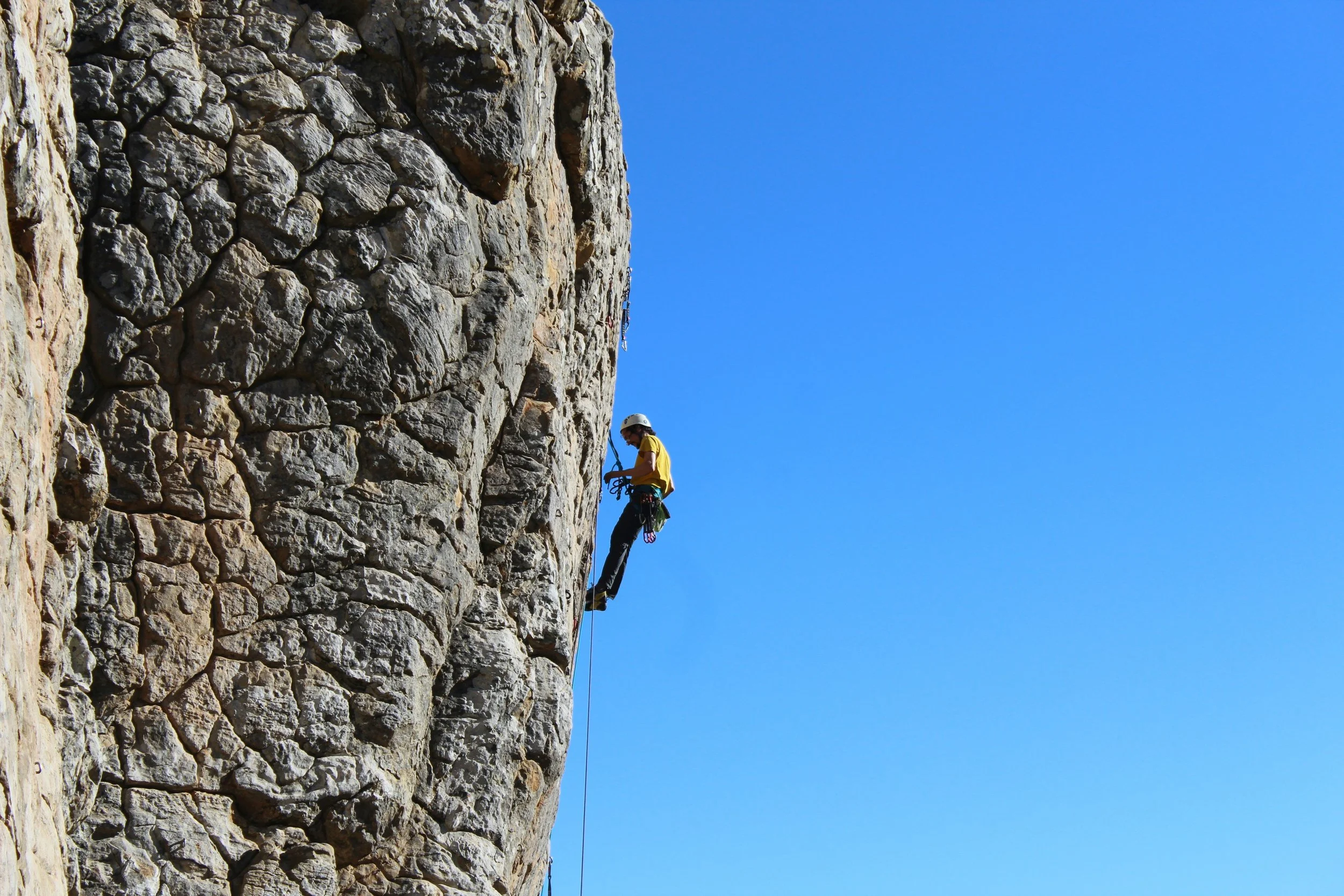
A person rappelling down a steep rock cliff against a clear blue sky. By Jose Ruales
By Eric Smith
LAS VEGAS, NV — A fundamental shift in how Las Vegas founders manage brand growth is currently underway. As the cost of visual noise increases, industry data indicates that traditional "one-off" creative projects are becoming a leading cause of brand dilution. In response, a growing number of firms are abandoning the freelance model in favor of Creative Infrastructure.
This movement, spearheaded by local strategy firms like Creative Works Studios, focuses on the implementation of Signature Brand Frameworks and Retained Stewardship to ensure that market authority remains consistent across all physical and digital channels.
1. The High Cost of Brand Dilution
Market analysis reveals that companies utilizing multiple disconnected vendors for web, video, and audio often suffer from "Brand Fragmentation." This occurs when the visual and sonic integrity of a firm is lost in transition between projects. By shifting to a Signature Brand Framework, founders are now prioritizing a singular, unified blueprint. This infrastructure ensures that every campaign—from a local billboard to a national digital ad—maintains the same high-contrast authority, effectively protecting the brand's long-term equity.
2. Transitioning from Vendors to Internal Creative Departments
The emergence of the "Creative Infrastructure" model is essentially the democratization of the internal agency. High-end clients are increasingly opting for monthly Retained Stewardship over individual project quotes. This shift allows for "Agile Deployment," where the studio acts as an embedded creative department. This model provides businesses with guaranteed studio capacity and direct executive access, eliminating the logistical bottlenecks that typically stall high-stakes marketing sprints.
3. Framework-Driven Scalability
Scale is often the point where most brands fail. Without a rigid framework, rapid growth leads to aesthetic decay. Journalistic audits of scaling firms in the Vegas Valley show that those with a "Framework-First" approach can expand into new verticals or geographies without a total visual or technical rebuild. By treating brand assets as Scalable Infrastructure rather than artistic one-offs, businesses are essentially future-proofing their presence, allowing for rapid expansion without the loss of market recognition.
4. Strategic ROI and Creative Stewardship
In the elite tiers of the market, creative work is being reframed as Managed Capital. Under the Creative Infrastructure model, the studio’s role is one of "Stewardship"—maintaining the performance and security of the brand’s Digital Flagships and Sonic Palettes. This proactive management ensures that the brand remains the industry standard, regardless of market shifts. Data suggests that this long-term alignment between founder and firm leads to a higher ROI on visibility spending, as every dollar is filtered through a pre-established, high-performance framework.
THE VERDICT The era of the "gig economy" freelancer is ending for serious business owners. As Las Vegas continues to serve as the benchmark for high-stakes visibility, the move toward Creative Infrastructure is the new mandate for those who intend to lead. To scale with authority is to stop chasing "projects" and start building a permanent brand engine.