
Capturing the Pulse: A Photographer’s Guide to Las Vegas Ballpark
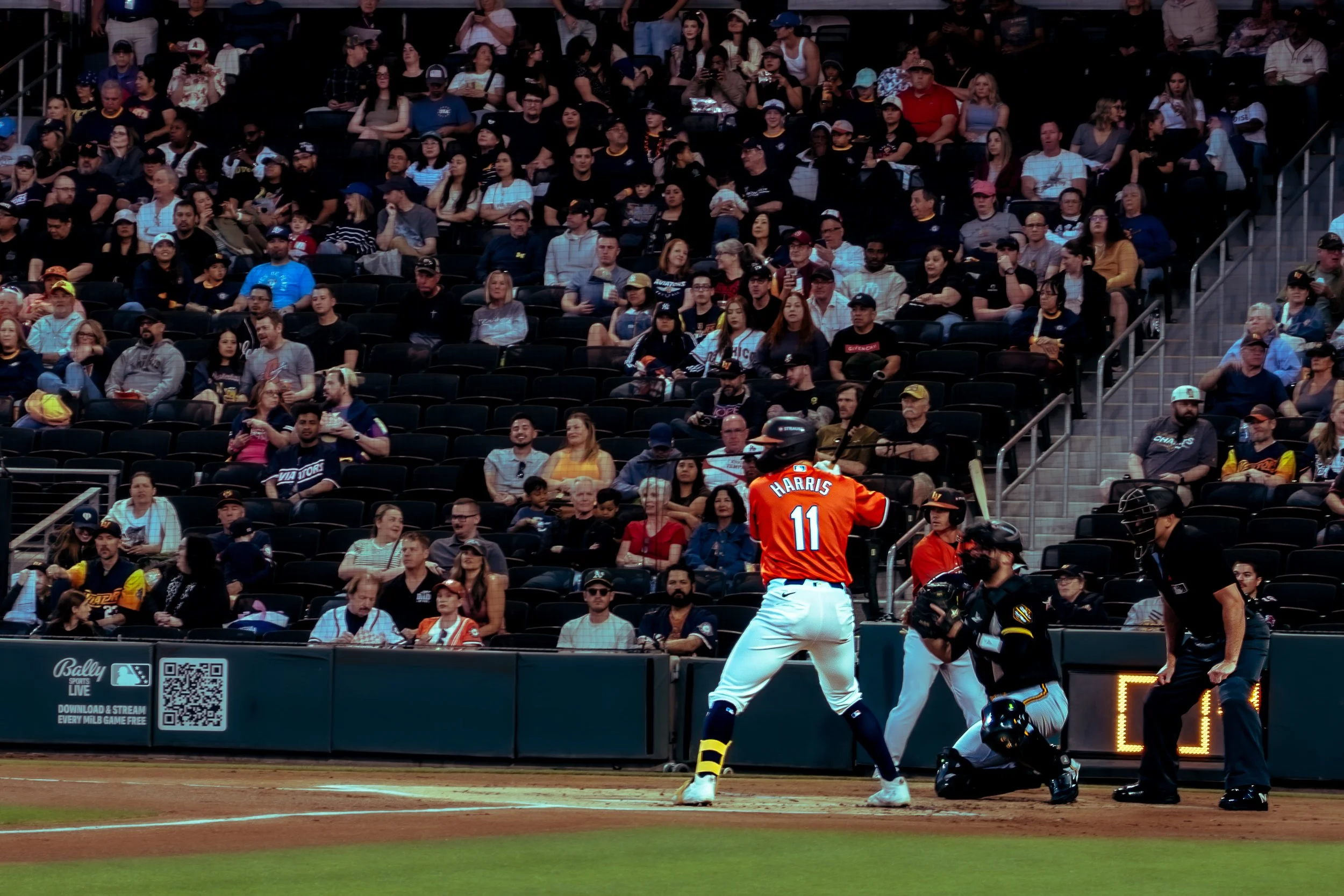
Brett Harris stands at home plate preparing to bat as the crowded grandstand look on in 2025.
By Eric Smith
Published September 20, 2026
When you step into Las Vegas Ballpark in Summerlin, you aren't just entering a minor league venue—you are stepping into an architectural study in light, texture, and community. Designed with breathable mesh seating, dark steel framing, and an open-air 360-degree concourse, the stadium offers a raw, tactile environment that turns everyday sports photography into high-tier visual storytelling.
Looking back at my very first shoot captured on the field last season, the goal was never just to follow the ball. It was to capture the human infrastructure that makes game night operate: the quiet pre-game exchanges, candid concourse energy, on-field fellowship, and fan interactions with Spruce the Mascot.
Ahead of tonight’s matchup, here is how we approach sports and event photography at Las Vegas Ballpark through the lens of structural composition and authentic perspective.
1. Grounded Perspective & Human Friction
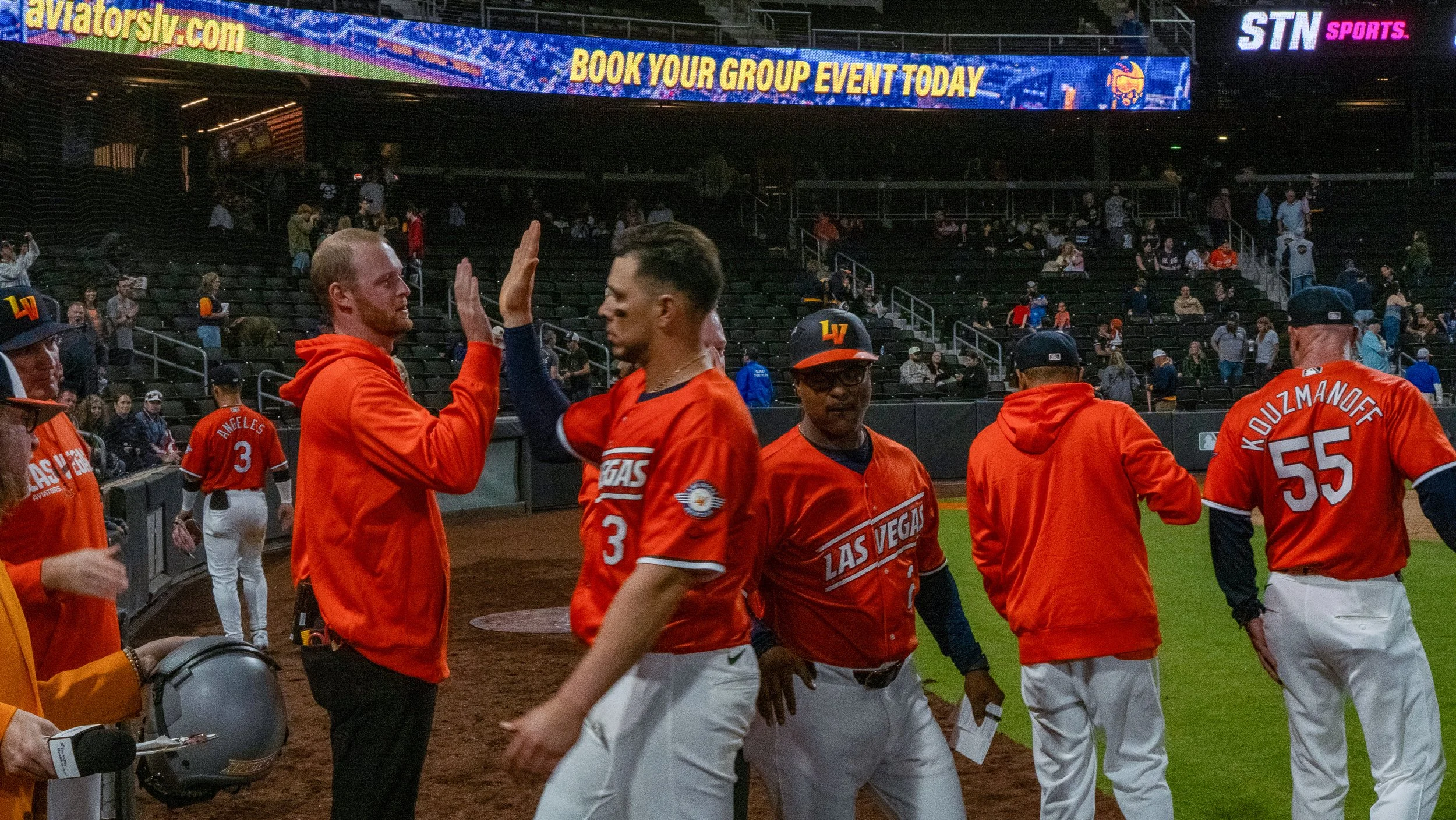
The Aviators celebrate their victory after a long game.
Sports photography easily falls into the trap of telephoto compression—tight action shots that strip away context. To build Boutique Authority in event coverage, you have to bring the lens down to eye level.
On-Field Exchanges: Kneeling along the dugouts or baseline netting during pre-game warmups anchors the subject against the stadium’s massive seating bowl. Shooting upward gives players, coaches, and speakers an imposing, authoritative stance while keeping background crowd details soft but present.
Post-Game & Sideline Energy: High-fives, victory lines, and informal interviews (like Fellowship Night Q&As behind home plate) carry real emotional weight when shot at medium focal lengths (35mm–50mm).
2. Navigating Concourse Light & Shadow
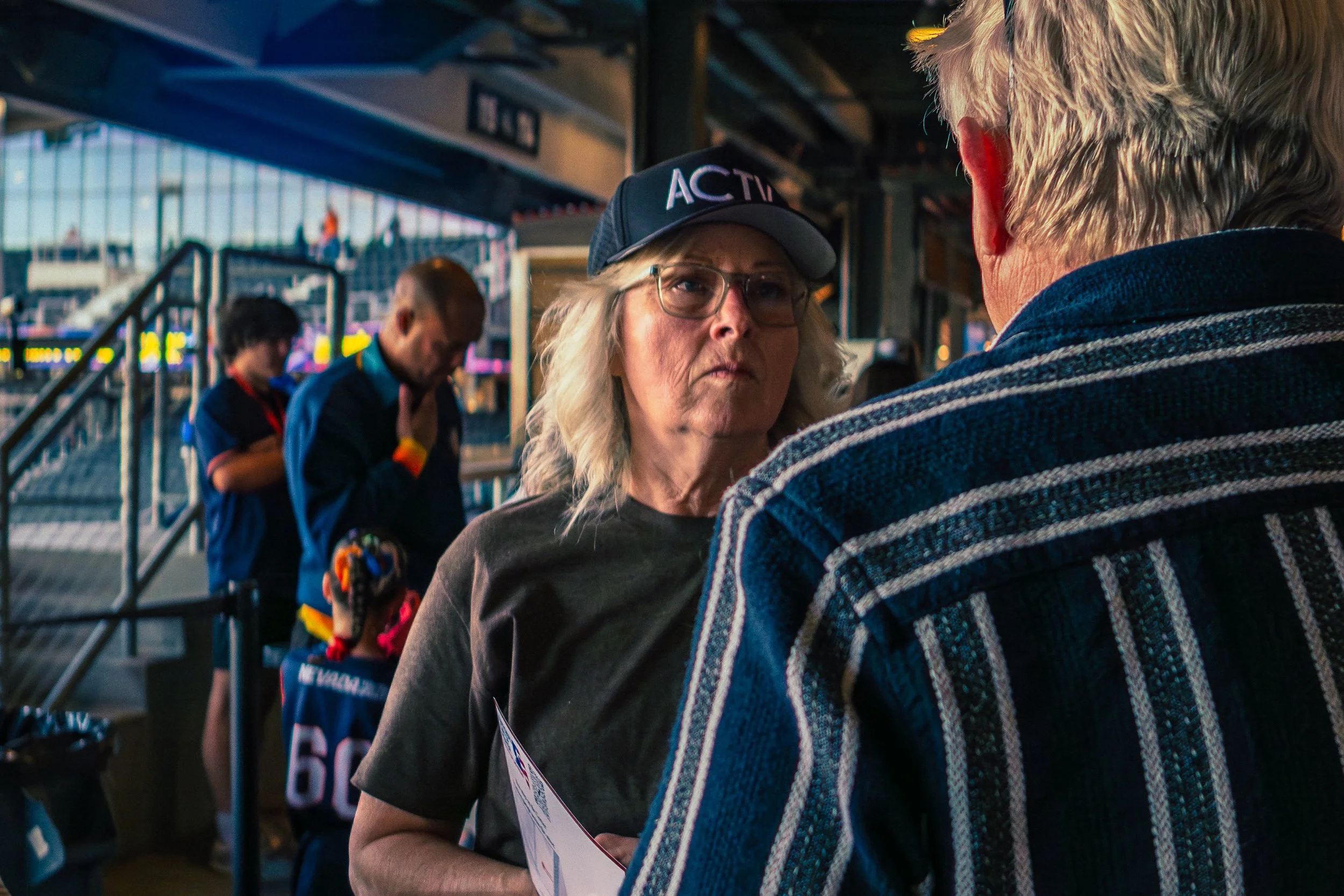
Cinematic shot on the concourse.
The architecture of Las Vegas Ballpark creates stark lighting transitions between the shaded industrial concourses and the harsh stadium floodlights over the diamond.
Concourse Motion: Frame the bustling concession corridors, Dippin' Dots stands, and fan queues by exposing for ambient indoor highlights. Let background structural pillars create natural vertical framing.
Mascot & Fan Interactions: Catching moments like Spruce wandering the premium deck tables requires fast shutter speeds to isolate rich contrast under overhead canopy lights against dark desert skies.
3. Structural Framing Over Fleeting Action
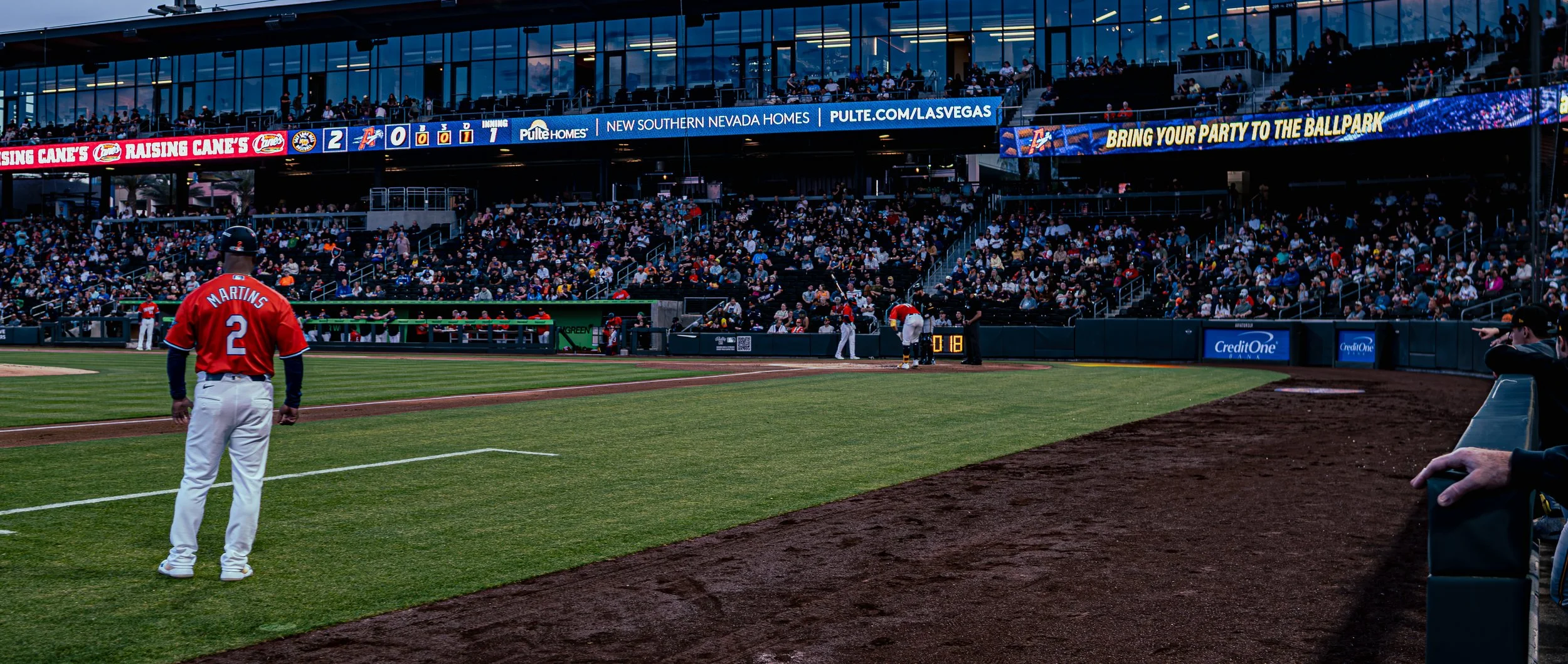
A wide shot from the opposing teams dugout.
Instead of chasing random action, use the ballpark's physical lines to structure your composition:
The Baseline Sweep: Position yourself along the outer foul lines to frame batter setups directly against the dense, dark backdrop of the grandstands.
Third-Base Line Compression: Angle wide across the dirt toward home plate to capture the full scope of the ribbon boards, outfield signage, and stadium architecture in a single frame.
The 2026 Photography Playbook Summary
Zone / LocationKey ElementRecommended ApproachInfield & DugoutsPre-game interviews & team high-fivesEye-level medium prime shots; capture low-angle authorityConcourse & DecksFan queues, vendors, mascot interactionsHigh contrast exposure; leverage architectural vertical linesFoul Lines & FieldBatter stance & base coachesFraming against dark seating bowl; wide baseline depth
1.Check Lighting Thresholds:Pre-Game Setup.
Test your ISO and shutter speeds 30 minutes before first pitch as stadium lights take full effect over the field.
2.Map Architectural Anchor Points:In-Game Execution.
Identify 3 fixed locations around the 360-degree concourse to capture structured wide shots of stadium signage and crowd density.
3.Isolate Candid Expressions:Post-Game Coverage.
Move down to baseline level immediately following the final out to capture raw sideline reactions and fan interactions.
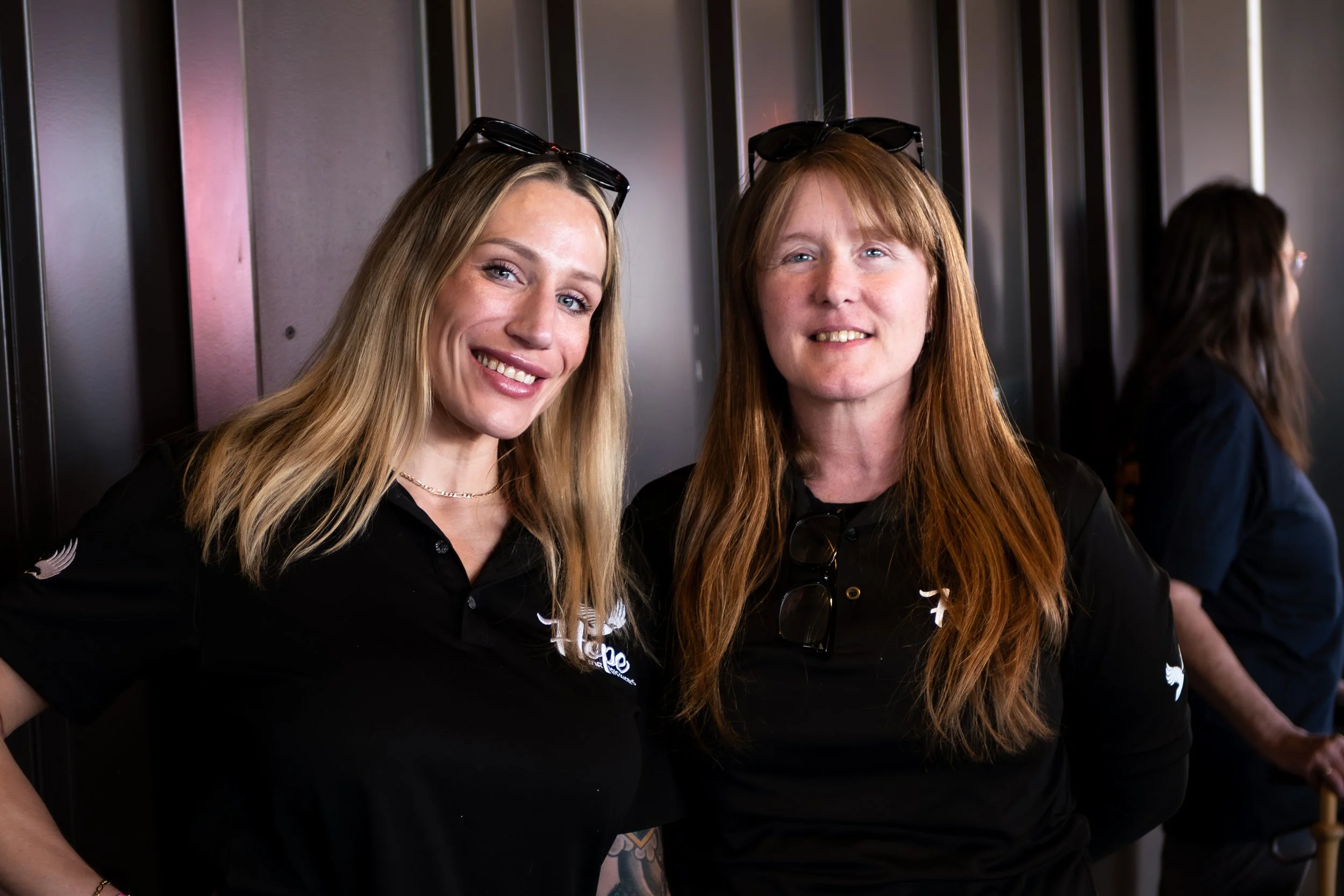
Friendly faces around the stadium.
Field Access Safety Notice
Always maintain situational awareness when shooting along the baseline during active warmups and live play. Keep one eye off the viewfinder whenever players are swinging or throwing in your direction.